
You may see a fee attached to the course you’re interested in, but if you are 19+ there may be funding options available to cover the cost of your course.
Get in touch with admissions@ccsw.ac.uk if you’d like anymore information.


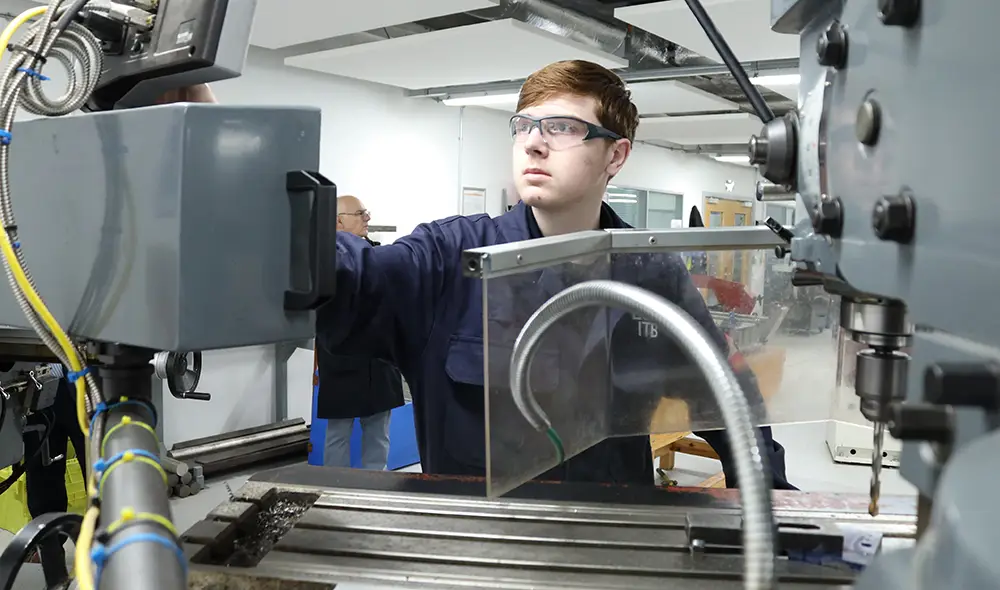
This two-year T Level combines classroom learning, practical training and industry experience to prepare you for a career in engineering and manufacturing. An industry placement with an employer forms an important part of the programme, giving you the opportunity to develop your skills in a real workplace.
You will choose one of the following occupational specialisms:
Topics include:
The core element provides a broad understanding of engineering and manufacturing, covering the technical principles that underpin the industry. This includes mechanical, electrical and electronic principles, mechatronics, control systems and materials, alongside the mathematics and science used within engineering.
Your chosen occupational specialism allows you to develop more focused skills in mechanical maintenance, electrical and electronic maintenance, or light and electric vehicles. Practical learning supports the technical knowledge gained in the classroom and helps build confidence working with industry processes and equipment.
The programme also explores the wider engineering workplace, including health and safety, quality assurance, continuous improvement, project management and professional responsibilities. Your industry placement provides valuable experience of applying these skills and working alongside industry professionals.
By the end of the programme, you will have developed a combination of technical knowledge, practical skills and workplace experience, preparing you to progress to skilled employment, an Apprenticeship or higher-level study within engineering and manufacturing.
This technical qualification focuses on the development of knowledge and skills needed for working in the maintenance engineering industry, which will prepare students to enter the industry through employment or as an apprentice. Furthermore, the completion of this qualification gives students the opportunity to progress onto higher education courses and training.
Learners following the Light and Electric Vehicle Occupation Specialism could gain a range of skills and experience and substantial experience of working for employers, which will give you a number of progression options including:
You could also progress to higher level study on courses such as HNC/D, foundation degree and degree programmes at the College or university.
The course fee shown is the co-funded rate which is only available for people living in the local authority areas of Cheshire West and Chester or Cheshire East. If you live outside of these local authorities please contact the College for fee information.
You may see a fee attached to the course you’re interested in, but if you are 19+ there may be funding options available to cover the cost of your course.
Get in touch with admissions@ccsw.ac.uk if you’d like anymore information.
There is funding available for eligible students.
Do I pay this fee?
Higher Education courses such as HNCs and HNDs can be self-funded through a payment plan. However, for eligible students, a tuition fee loan can fund your course through Student Finance England and you may be eligible for a maintenance loan to support your education.
Please note, you should apply for your loan before the course starts. You only commit to the loan once you begin attending the course.
Find out more about eligibility at Student Finance. For more information, find out on our Higher Education page or get in touch with our Bursary department.
Classroom Technical Programme
Biologists examine the structure, behaviour and relationships of living organisms. Their work helps improve environmental management, medicine and scientific knowledge.
Biologists examine the structure, behaviour and relationships of living organisms. Their work helps improve environmental management, medicine and scientific knowledge.
Degrees you could enter:
Classroom Technical Programme
Electrical Electronic and Mechanical Engineering
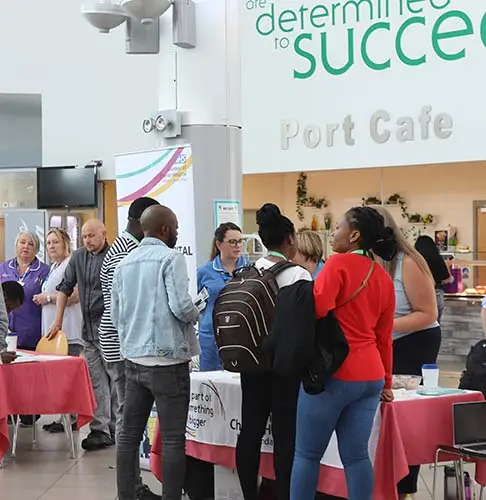

This two-year T Level combines classroom learning, practical training and industry experience to prepare you for a career in engineering and manufacturing. An industry placement with an employer forms an important part of the programme, giving you the opportunity to develop your skills in a real workplace.
You will choose one of the following occupational specialisms:
Topics include:
The core element provides a broad understanding of engineering and manufacturing, covering the technical principles that underpin the industry. This includes mechanical, electrical and electronic principles, mechatronics, control systems and materials, alongside the mathematics and science used within engineering.
Your chosen occupational specialism allows you to develop more focused skills in mechanical maintenance, electrical and electronic maintenance, or light and electric vehicles. Practical learning supports the technical knowledge gained in the classroom and helps build confidence working with industry processes and equipment.
The programme also explores the wider engineering workplace, including health and safety, quality assurance, continuous improvement, project management and professional responsibilities. Your industry placement provides valuable experience of applying these skills and working alongside industry professionals.
By the end of the programme, you will have developed a combination of technical knowledge, practical skills and workplace experience, preparing you to progress to skilled employment, an Apprenticeship or higher-level study within engineering and manufacturing.
You may see a fee attached to the course you’re interested in, but if you are 19+ there may be funding options available to cover the cost of your course.
Get in touch with admissions@ccsw.ac.uk if you’d like anymore information.